In public safety cases, the key difference between negligence and recklessness can shape liability and compensation. Negligence is failing to exercise reasonable care, while recklessness shows a willful disregard for others’ safety. Recklessness often brings harsher legal consequences, including punitive damages. This article breaks down these concepts and their impact on your case. What Is…
In recent years, Legionnaires’ disease litigation has significantly increased, prompting discussions among lawyers about its rising frequency and the broader implications for property owners and businesses.  Legionnaires’ disease, caused by Legionella bacteria, is a severe form of pneumonia that can result in long-term health complications and, in some cases, death.  With the frequency of outbreaks…

When lives are lost in preventable outbreaks, the law often follows. Sometimes, it does so too slowly, but with force. Few diseases have shaped public health policy as profoundly as Legionnaires’ disease, a severe, often deadly form of pneumonia caused by inhaling contaminated water droplets. Past Legionnaires’ outbreaks exposed dangerous gaps in public health law….

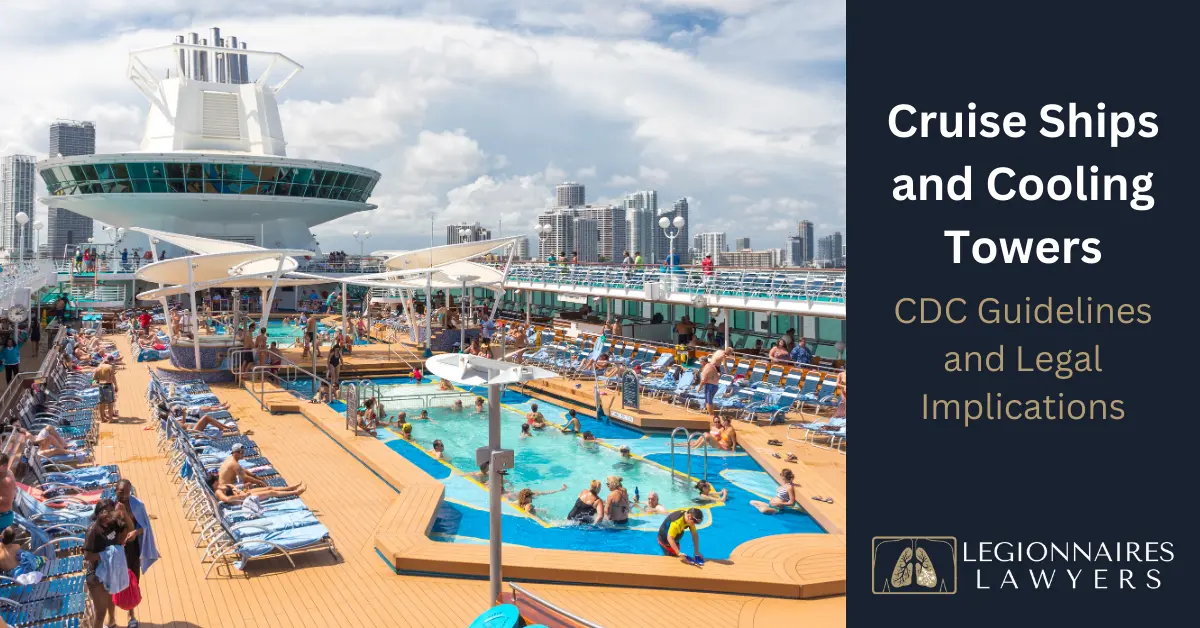
Cruise vacations promise luxury, relaxation, and adventure. But behind the scenes, cooling towers onboard these floating cities can become breeding grounds for deadly bacteria. When Legionella enters a ship’s air-conditioning or water systems, it can spread undetected until passengers and crew start falling seriously ill.  That’s exactly what’s happened in over 30 cases between 2015…

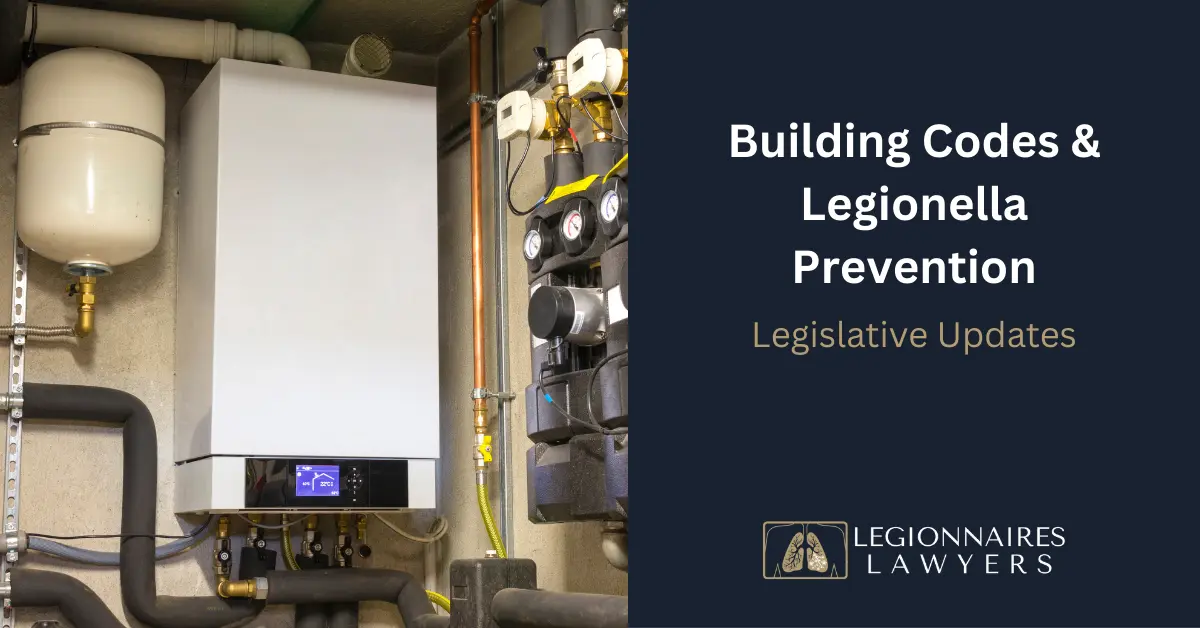
Legionnaires’ disease continues to make headlines across the United States, with outbreaks reported in New York City, Ohio, and other regions in 2025. This serious form of pneumonia, caused by inhaling water droplets contaminated with Legionella bacteria, has increased scrutiny on how building codes and regulations address water system safety. As cases rise, lawmakers, public…

When it comes to Legionnaires’ disease, the consequences of inaction can be devastating, causing outbreaks, hospitalizations, lawsuits, and in some cases, death. Hotels, hospitals, long-term care facilities, and commercial buildings with large water systems are especially vulnerable, often serving immunocompromised populations or using complex infrastructure where Legionella bacteria can thrive. The good news? Nearly all…

Caring for a loved one with Legionnaires’ disease can feel like stepping into the unknown: emotionally overwhelming, legally complex, and filled with questions you never thought you’d need to answer. From managing hospital visits and medications to figuring out your legal rights and responsibilities, it’s a situation that tests even the most resilient caregivers. Here’s…

Imagine trying to stop a deadly outbreak with only a blurry picture of the suspect. For decades, that’s exactly how public health officials investigated Legionnaires’ disease. Traditional methods like pulsed-field gel electrophoresis (PFGE) and sequence-based typing (SBT) could offer clues, but rarely a clear match.  As a result, only 38% of Legionnaires’ outbreak investigations using…

When it comes to Legionnaires’ disease, what you document in the first 48 to 72 hours could shape the outcome of your medical care, your legal rights, and your financial recovery. Legionnaires’ disease has a 10% mortality rate in the general population, and up to 25% in healthcare settings. Among survivors, 75% experience lingering symptoms…

When it comes to public health, water safety plays a critical role. Contaminated water systems can harbor dangerous bacteria like Legionella, the cause of Legionnaires’ disease—a severe form of pneumonia that can be fatal if left untreated. If you suspect unsafe water conditions in your home, workplace, or a public facility, it’s essential to take…

Call Us Now